Braj Ki Yatra: Where Every Step Echoes the Name of Krishna
The land of Braj, steeped in timeless tales of divine love and devotion, is not just a destination—it is a spiritual experience. Nestled in the heart of Uttar Pradesh, Braj is a sacred region encompassing Mathura, Vrindavan, Govardhan, Barsana, Nandgaon, Gokul, and other neighboring towns. These places are intimately connected with the life and leelas (divine pastimes) of Lord Krishna, making Braj a living canvas of devotion and mysticism.
For centuries, pilgrims from across India and the world have embarked on the Braj Yatra, a sacred journey through the holy sites associated with Krishna’s life. This is a yatra where every temple, every ghat, every forest, and every path tells a story—stories that sing of the playful boy of Gokul, the divine lover of Vrindavan, and the supreme deity worshipped by millions.
In this guide, we take you through the essence of Braj Ki Yatra, unfolding the sacred geography, spiritual significance, cultural richness, and practical aspects of undertaking this transformative pilgrimage.
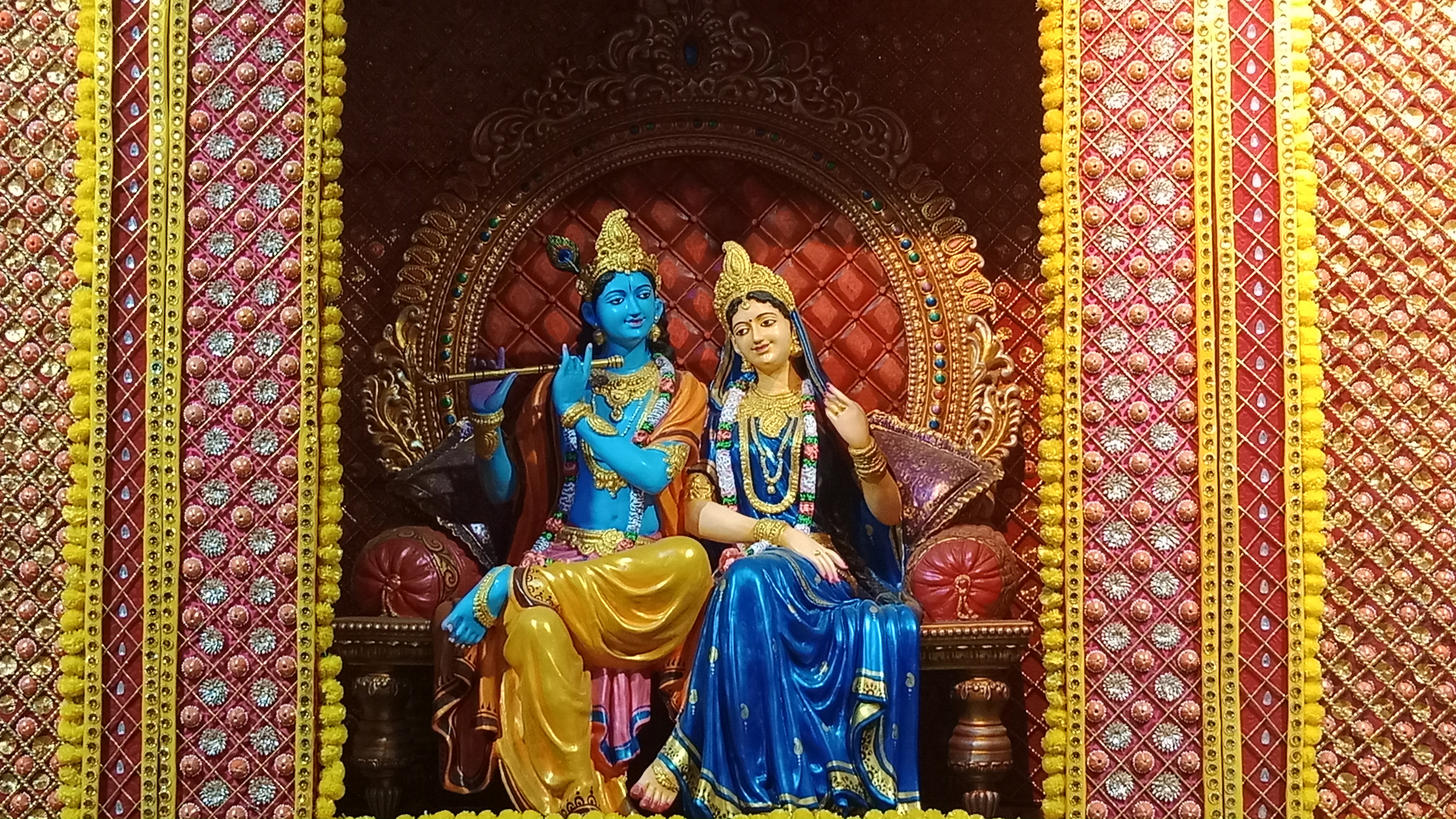
The Sacred Geography of Braj
Braj Bhoomi is believed to be the earthly playground of Lord Krishna, where he spent his childhood and youth. This divine land spans approximately 84 kos (around 252 kilometers), covering various towns and villages where Krishna’s divine leelas took place. Pilgrims traditionally undertake the Braj Chaurasi Kos Yatra to spiritually connect with every step Krishna took during his time on earth.
Key destinations in the Braj region include:
-
Mathura – The birthplace of Lord Krishna, home to the famous Krishna Janmabhoomi Temple.
-
Vrindavan – Where Krishna spent his youth, enchanting the Gopis with his flute.
-
Govardhan – The sacred hill Krishna lifted to protect the people of Braj from torrential rains.
-
Barsana – The abode of Radha Rani, Krishna’s eternal consort.
-
Nandgaon – The village of Krishna’s foster parents, Nanda Baba and Yashoda Maiya.
-
Gokul – Where Krishna was raised and performed several of his miraculous deeds.
Each town has its own unique significance and is dotted with temples, ghats, kunds (sacred ponds), and forests that reverberate with the names of Radha and Krishna.
Spiritual Significance of Braj Yatra
The Braj Yatra is not just about visiting temples or sightseeing—it is an immersive spiritual journey. Devotees believe that walking through the same soil where Krishna once walked purifies the soul and brings one closer to moksha (liberation).
The yatra is deeply rooted in the Bhakti tradition. Chanting Krishna’s name, singing bhajans, and participating in kirtans are integral parts of the journey. Many pilgrims choose to walk barefoot throughout the 84-kos yatra as a mark of devotion and humility.
The concept of seva (selfless service) is also central. Many devotees offer seva in temples, help fellow yatris, or feed sadhus and cows, considering it an offering to Krishna himself.
Major Stops on the Braj Yatra
Here is an overview of the most revered stops in the Braj Yatra and their spiritual importance:
1. Mathura
Mathura is where the journey often begins. Visit the Krishna Janmabhoomi Temple, which is believed to mark the exact spot where Krishna was born in a prison cell. The Dwarkadhish Temple, Vishram Ghat, and the Yamuna riverfront add to the sacred charm.
2. Vrindavan
Vrindavan is a spiritual wonderland. With more than 5,000 temples dedicated to Radha and Krishna, every corner of this town breathes divinity. The Banke Bihari Temple, ISKCON Temple, Radha Raman Temple, and Prem Mandir are must-visits. Don’t miss the mesmerizing evening aarti at the Yamuna ghats.
3. Govardhan
According to the Bhagavata Purana, Krishna lifted the Govardhan Hill on his little finger to protect the villagers from the wrath of Indra, the rain god. Pilgrims perform Govardhan Parikrama, a 21-kilometer barefoot circumambulation of the hill, stopping at sacred spots like Daan Ghati, Kusum Sarovar, and Radha Kund.
4. Barsana
Barsana, the birthplace of Radha Rani, is perched on a hill and offers breathtaking views of the surrounding countryside. The Radha Rani Temple here is a major draw, especially during the Lathmar Holi festival, where traditional rituals are performed with great zeal and joy.
5. Nandgaon
This picturesque village was home to Krishna’s foster parents. The main temple is dedicated to Nanda Baba and Yashoda Maiya. The peaceful ambiance and the beautiful views from the hilltop make Nandgaon a spiritually uplifting stop.
6. Gokul
In Gokul, Krishna was raised in secrecy to protect him from the tyrant Kansa. The Gokul Nathji Temple and Raman Reti, where Krishna is believed to have played in the sand, are key attractions.
Cultural Tapestry of Braj
The culture of Braj is vibrant, colorful, and deeply devotional. From traditional music and dance to art and cuisine, every aspect of life here is intertwined with Krishna consciousness.
Music and Dance – Classical forms like Raas Leela and folk traditions such as bhajans and kirtans are common in temples and on the streets. The Raas Leela performances, especially during festivals, narrate Krishna’s divine love play with Radha and the Gopis.
Festivals – Braj celebrates festivals like Janmashtami, Radhashtami, Holi, and Kartik Purnima with unmatched fervor. Lathmar Holi in Barsana, Jhulan Yatra in Vrindavan, and Govardhan Puja are unique expressions of the Braj spirit.
Food and Prasadam – Devotees relish simple satvik (pure) food and temple prasadam. Sweets like peda, makhan-mishri, and khurchan are closely associated with Krishna’s tales of stealing butter and sharing sweets with his friends.
When to Visit
The best time to undertake the Braj Yatra is from October to March, when the weather is pleasant and many festivals take place. The Sharad Purnima Raas Leela, Janmashtami, and Kartik Maas are especially auspicious periods to visit.
During Holi (February–March), the entire Braj region turns into a riot of colors, echoing with chants of “Radhe Radhe” and “Shyam Shyam.”
How to Plan Your Braj Yatra
Planning your yatra well ensures a peaceful and spiritually enriching experience.
1. Duration
A complete Braj Chaurasi Kos Yatra can take around 7–10 days. However, shorter trips covering Mathura, Vrindavan, Govardhan, and Barsana can be completed in 3–4 days.
2. Mode of Travel
While traditional pilgrims prefer to walk, many opt for taxis or buses that connect major destinations. Cycle rickshaws and e-rickshaws are also commonly available in Vrindavan and Mathura.
3. Accommodation
From ashrams and dharamshalas to mid-range hotels and guest houses, there are plenty of stay options. For a more immersive experience, consider staying at an ISKCON guesthouse or a temple-run lodging.
4. Local Guides
Hiring a knowledgeable local guide can enhance your experience by providing context to the various sites and traditions.
5. Dress and Etiquette
Wear modest, comfortable clothing and respect temple customs. Many temples do not allow photography or entry with leather items. Always remove footwear before entering temples.
Conclusion: A Journey Within
Braj Ki Yatra is much more than a pilgrimage—it is a journey into the heart of devotion, into stories that have been told and retold for centuries, and into an atmosphere where spirituality and daily life blend seamlessly. It is a journey that transforms, uplifts, and inspires.
As you walk the sacred soil of Braj, chant Krishna’s name, and lose yourself in the bhajans and aartis, you begin to realize that this yatra is not just about finding Krishna in temples or idols—it is about finding him within your heart.
Every step taken in Braj, every ghat visited, every name of Krishna uttered brings you closer to the divine. In the end, Braj Ki Yatra becomes not just a memory, but a part of your soul.
Other Profiles:


Comments
Post a Comment